
In bustling urban environments, excavation can often feel like navigating a labyrinth—filled with obstacles, existing structures, and strict regulations. But what if there was a way to turn this complex challenge into a seamless operation? By choosing the best urban excavation techniques, contractors and city planners can effectively tackle the core issues of safety, efficiency, and environmental impact. This article is tailored for professionals in construction and urban development who are seeking effective solutions to minimize disruptions while maximizing project success. We will delve into the strategies that not only reduce restoration costs but also foster positive community relations. Furthermore, we will explore how advanced technologies and skilled operators play a crucial role in protecting vital utilities and existing infrastructures. As we discuss these innovative approaches, you’ll discover how adopting the best urban excavation techniques can transform your projects, ensuring they are executed responsibly and sustainably. Join us on this journey to redefine urban excavation and elevate your projects to new heights.

To begin assessing urban soil conditions, recognize that they often differ due to factors like past construction, contamination, and compaction. Start with a comprehensive evaluation of soil types, such as clay, silt, sand, and fill, as these will determine the excavation techniques and equipment required.
Assess urban soil by evaluating types like clay, silt, sand, and fill to guide excavation techniques.
Understanding these aspects will enhance your planning process. For detailed methods on soil testing, refer to our guide on soil assessment techniques.
Minimizing environmental impact during urban excavation is essential for sustainable city development. Employing techniques such as hydro excavation can significantly reduce soil disturbance and protect existing utilities. This non-destructive method not only preserves urban infrastructure but also safeguards local ecosystems.
To effectively minimize environmental impact, consider these strategies:
For a deeper dive into sustainable excavation practices, check out our guide on eco-friendly construction techniques.
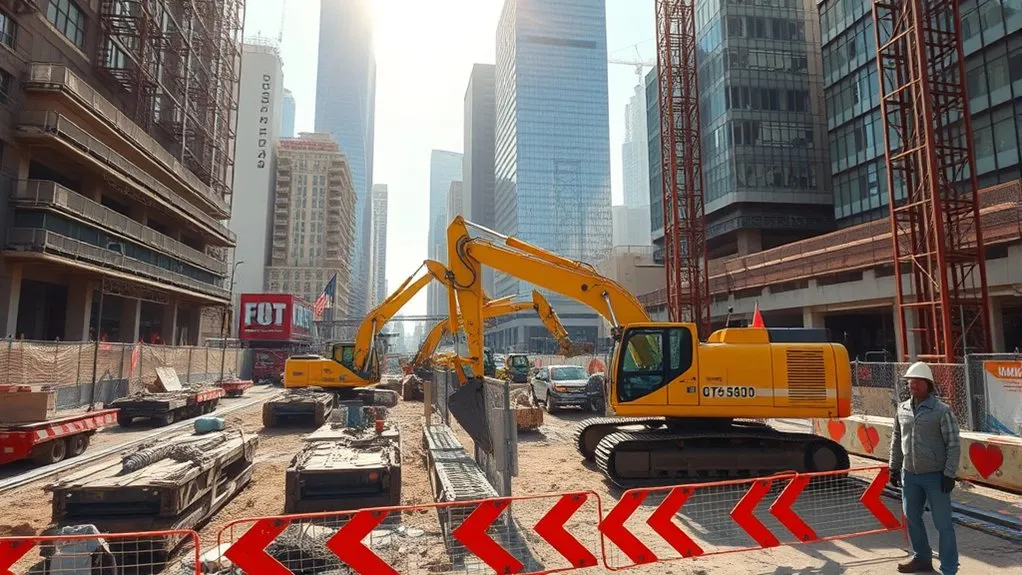
Hydro excavation significantly boosts safety and accuracy during urban excavation projects. By utilizing pressurized water and vacuum systems, this method minimizes the risk of damaging underground utilities, achieving up to 80% fewer strikes compared to traditional techniques.
This precision enables targeted soil removal, preserving the integrity of surrounding infrastructure and protecting nearby structures.
For more insights on efficient urban excavation practices, check out our guide on best methods for underground utility protection.
Advancements in excavation technology are transforming urban projects with innovative methods like hydro excavation.
But how do these technologies further enhance safety and efficiency in challenging environments?
Discover the role of GPS and 3D modeling in modern excavation practices and their impact on precision and safety. Additionally, the use of advanced machinery ensures compliance with safety and construction standards, further enhancing the overall effectiveness of urban excavation projects.
Cutting-edge equipment innovations are significantly transforming urban excavation by enhancing both precision and environmental sustainability. Technologies like hydro excavation minimize damage to underground utilities, while GPS machine control systems provide real-time data, improving accuracy and project efficiency.
Key innovations include:
These advancements are paving the way for a more efficient and environmentally friendly approach to urban construction.
For more insights into sustainable construction practices, see our guide on green building techniques.
Hydro excavation is revolutionizing urban excavation by employing pressurized water and vacuum systems to precisely remove soil while safeguarding surrounding infrastructure. This non-destructive technique effectively mitigates the risks associated with disturbing underground utilities, making it indispensable in densely populated areas.
With advancements in sensor technology and control systems, operator accuracy is greatly improved, thus ensuring compliance with urban safety regulations.
These innovations not only enhance safety but also streamline urban excavation processes. For more insights on improving urban infrastructure, see our guide on effective excavation methods.
Sustainable excavation practices are crucial in reducing the ecological footprint of construction projects. By employing non-destructive digging methods, such as air excavation and vacuum systems, you can minimize soil disruption and avoid utility strikes, leading to a more environmentally friendly process.
To further enhance project sustainability, consider implementing erosion control measures that comply with regulatory standards. Advanced excavation technology, like GPS-guided machinery, can also optimize precision, reduce waste, and hasten project completion.
For more insights on reducing construction impact, see our guide on eco-friendly building practices.
Cost-effective excavation techniques can significantly reduce project expenses while enhancing efficiency.
But how can specific methodologies like hydro and trenchless excavation truly impact urban development?
Understanding the importance of soil evaluation and project scope may hold the key to maximizing savings in your next excavation project.
Selecting cost-effective excavation methods is crucial for managing project expenses and timelines.
Begin by assessing soil conditions to ensure compatibility with your chosen technique. Traditional excavation may have lower initial costs, but be wary of potential high restoration fees.
Conversely, trenchless excavation, despite its higher upfront investment, minimizes surface disruption and can lead to long-term savings.
For further insights into maximizing your budget in excavation projects, check out our guide on effective construction budgeting.
Adopting efficient excavation techniques can lead to substantial savings in urban construction. For instance, trenchless methods significantly reduce surface disruption, lowering restoration costs.
Additionally, hydro excavation allows for precise soil removal, minimizing the risk of utility strikes and accelerating project timelines.
By carefully selecting excavation methods based on soil conditions and project requirements, construction teams can ensure a more cost-effective process.
For further insights, see our guide on optimizing urban construction projects.
Urban excavation projects often face financial challenges, but implementing cost-saving strategies can ensure success. Techniques like trenchless excavation minimize surface disruption, leading to lower restoration costs.
Hydro excavation protects existing utilities, thus avoiding expensive repairs and delays.
To manage expenses effectively, consider these approaches:
By selecting the right techniques, project managers can enhance both affordability and efficiency.
For more insights on optimizing urban projects, check out our guide on effective construction management strategies.
Skilled operators are essential in urban excavation, expertly navigating the challenges of congested environments. Their mastery of excavation techniques, such as hydro and air excavation, ensures minimal disruption to existing utilities and infrastructure.
By employing these specialized methods, they not only enhance safety but also lead to significant cost savings, reducing delays and the need for extensive restoration.
Skilled operators enhance safety and cut costs, minimizing delays and extensive restoration in urban excavation.
Their proficiency in these areas safeguards urban projects, aligning with both project goals and environmental considerations.
For more insights on sustainable construction practices, see our guide on eco-friendly excavation techniques.
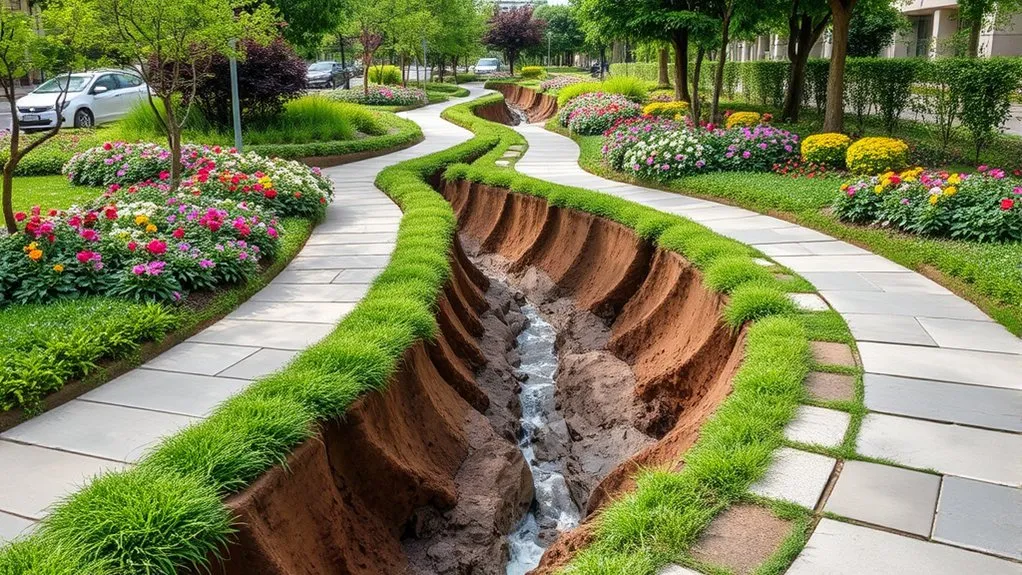
Skilled excavation operators play a crucial role in building positive relationships within communities. By employing trenchless methods, they significantly reduce surface disruption, which helps maintain accessibility for residents and minimizes inconvenience.
Furthermore, environmentally conscious practices that prioritize local ecosystems foster goodwill among community members who value sustainability.
Effective communication is essential; sharing project plans and timelines cultivates trust and encourages collaboration. Advanced technologies also streamline projects, resulting in quicker completion and fewer economic impacts.
For more insights on effective community engagement strategies, check out our guide on enhancing stakeholder relationships.
For more specific access planning, read our trenching equipment guide and tight-lot ADU excavation guide when describing the work area and route for equipment.
Browse more articles in Excavation & Site Preparation.
By selecting the best urban excavation techniques, you pave the way for a future where safety, precision, and sustainability thrive together. Implementing these strategies not only enhances operational efficiency but also significantly reduces environmental impact, ensuring that your projects resonate positively within the community. As you harness innovative methods, you become a pivotal part of a movement toward responsible development. Interested in elevating your excavation projects? Explore more tips and insights to further enhance your impact in urban environments.
Skip to content