
Demolition work can be deceptively dangerous, with reports indicating that nearly 20% of construction-related fatalities occur on demolition sites. So, how can we ensure safety while dismantling structures? This article on top demolition safety procedures is designed for construction managers, site supervisors, and demolition workers looking to mitigate risks and enhance safety protocols. The core challenge faced in this field is navigating the complexities of potential hazards, from structural weaknesses to hazardous materials. We’ll explore essential steps, including conducting thorough engineering surveys, developing detailed demolition plans, and implementing effective Job Safety Analysis (JSA) strategies. Furthermore, you’ll learn how to manage utilities, protect against debris, and maintain clear work zones. By the end, you’ll be equipped with the knowledge to keep demolition sites safe, ensuring a secure environment for all involved. Join us as we delve into the critical safety measures necessary for a successful demolition operation.
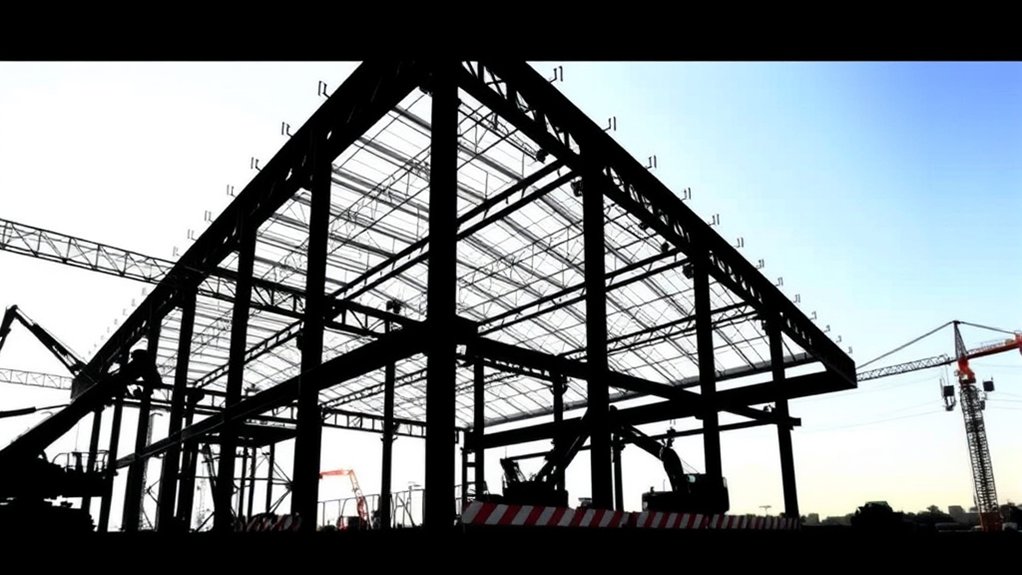
Conducting a comprehensive engineering survey is vital for ensuring site safety during demolition projects. This assessment, performed by a qualified professional, identifies structural weaknesses in elements like framing, walls, and floors.
It also helps in recognizing potential hazards that could lead to catastrophic failures.
Prioritizing a meticulous survey underlines a commitment to safety and adherence to legal standards. Additionally, understanding site clearing is critical to ensure that all unwanted materials are removed safely before beginning demolition activities.
For further insights on creating effective demolition plans, check out our guide on safety protocols.
Creating an effective demolition plan is crucial for ensuring both safety and efficiency during the process. Start by identifying potential hazards associated with the building’s type, location, and materials.
Incorporate appropriate safety measures tailored to the structure’s age and environmental conditions.
Thorough documentation, including risk assessments and safety measures, is essential. Additionally, understanding the legal requirements for excavation can enhance the demolition plan’s effectiveness and compliance with local regulations.
For further insights, check out our guide on best practices for construction safety.
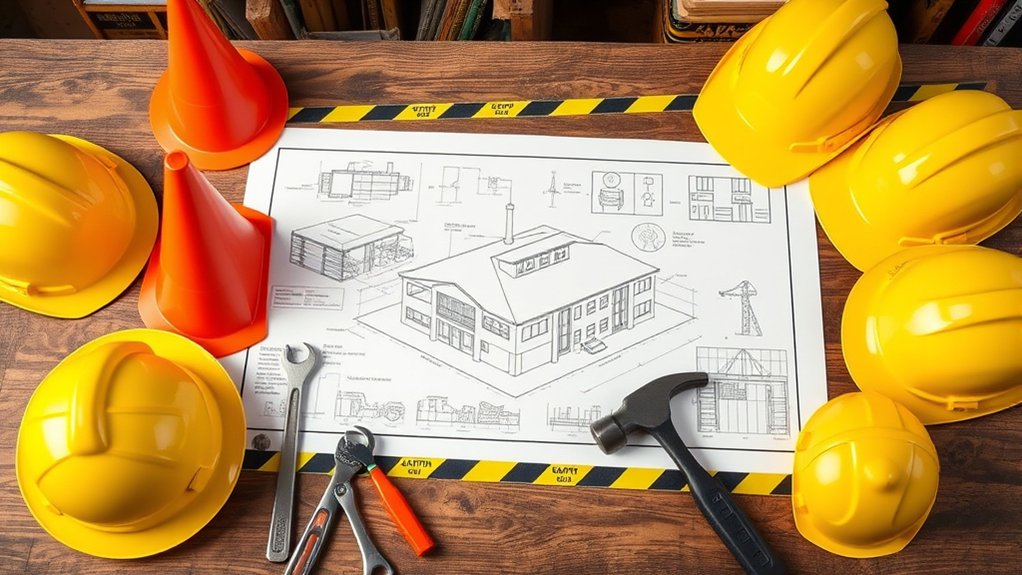
Implementing a Job Safety Analysis (JSA) in demolition work involves recognizing potential hazards for each task to create effective safety measures.
But how can you further ensure these safety practices are understood and adhered to by all workers on site?
Delving into the role of worker engagement in safety can provide valuable insights.
Identifying potential hazards in demolition work is essential for ensuring a safe workplace. Conducting a Job Safety Analysis (JSA) allows you to systematically pinpoint risks associated with demolition tasks and apply control measures. This proactive approach not only aligns with OSHA standards but also fortifies your safety commitment.
Implementing a Job Safety Analysis (JSA) is vital for enhancing demolition safety. A JSA identifies potential hazards associated with specific tasks and outlines necessary safety procedures to protect workers. Key steps include isolating tasks, determining safety protocols, and documenting the analysis to keep all workers informed about risks and safety measures.
Ensuring safety on a demolition site hinges on the correct usage of Personal Protective Equipment (PPE). This essential gear protects workers from various hazards inherent in demolition work. Key items include hard hats to guard against head injuries, safety goggles to shield eyes from dust, steel-toed boots for foot protection, and gloves to prevent hand injuries.
Prioritize PPE on demolition sites to safeguard against head, eye, foot, and hand injuries.
Regular inspection and maintenance of PPE are crucial for effectiveness.
For more information on safety practices, refer to our guide on workplace safety essentials.
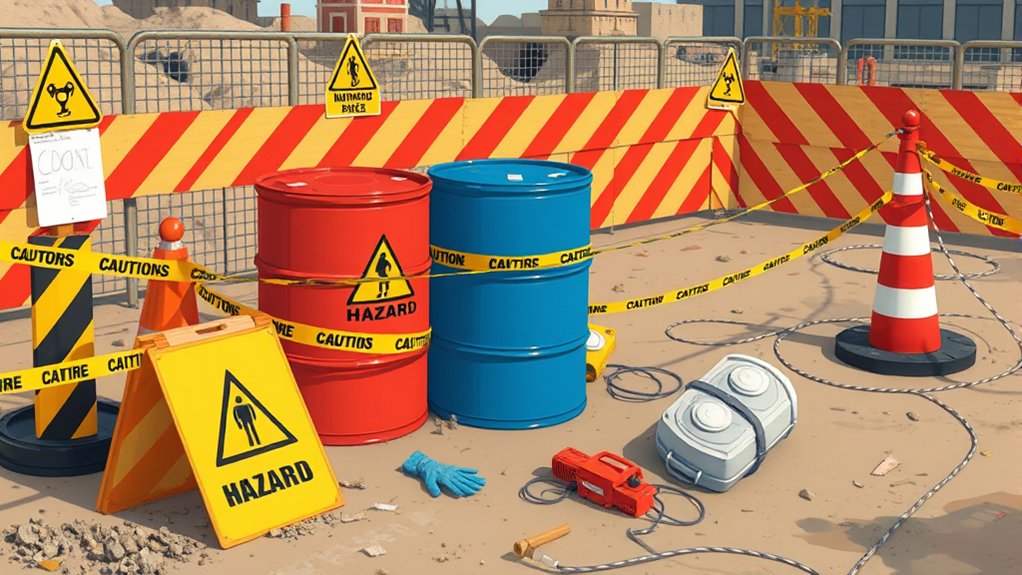
Properly identifying and managing hazardous materials like asbestos and lead is crucial for safe demolition practices.
But what specific protocols should be followed to ensure compliance with regulations?
Understanding the role of licensed professionals in this process will shed light on effective safety measures.
Effectively managing hazardous materials like asbestos and lead is crucial for safety and regulatory compliance during demolition projects.
Start by conducting a comprehensive asbestos survey to pinpoint all asbestos-containing materials. Following this, engage certified professionals to remove any licensed asbestos, ensuring worker safety and community health.
By prioritizing these steps, you not only safeguard those involved but also adhere to necessary regulations.
For further insights on hazardous material management, see our guide on best practices for safe demolition.
To ensure the safe disposal of hazardous substances like asbestos and lead, it’s essential to follow strict waste management protocols. Engage licensed professionals who are trained in compliance with local and federal regulations. They can oversee the disposal process, minimizing risks to workers and the environment.
By prioritizing these measures, you not only protect your team and community but also enhance your commitment to responsible demolition practices.
For more detailed guidance, check out our guide on safe demolition practices.
To ensure effective utility management during demolition, start by prioritizing safety through the disconnection of electricity, gas, sewer, and water lines.
Notify utility companies about your demolition plans to facilitate risk reduction and ensure safe handling of utility lines. A thorough assessment of existing utilities helps identify potential hazards.
By following these guidelines, you create a safer working environment.
For more detailed protocols on managing utilities during construction, see our guide on safety measures in demolition projects.
Effective sequencing in demolition is crucial for safety, starting from the top and removing non-load-bearing elements first.
But how can you further ensure the safety of those on-site while managing the risks of structural instability?
Discover essential strategies to enhance site safety during demolition processes.
A top-down demolition strategy enhances safety by systematically dismantling structures from the uppermost levels. This method minimizes risks associated with falling debris and protects workers below.
Essential to this approach are rigorous training and the use of personal protective equipment (PPE) to mitigate potential hazards.
Key considerations include:
By focusing on these safety measures, crews can effectively minimize risks during demolition.
For further insights into best practices in demolition safety, check out our guide on construction site protocols.
To ensure maximum safety during a demolition project, understanding the sequencing of load-bearing structures is crucial.
Begin by removing non-load-bearing elements to maintain stability and prevent structural instability. Document the demolition order in your plan to enhance efficiency and safety.
By adhering to these guidelines, you can facilitate a secure demolition process.
For more information on effective safety practices, see our guide on construction site safety.
To ensure safety during demolition, establishing a secure site is crucial.
Establishing a secure site is essential for safety during demolition projects.
Implement barriers and safety nets to catch falling debris, which is vital for protecting workers and passersby. Exclusion zones where personnel are prohibited during active demolition further minimize risks.
Effective communication about risks and protocols is essential.
For more detailed safety strategies, see our guide on effective demolition practices.
To ensure safety in construction work zones, clearly mark vehicle paths and pedestrian walkways. This separation is crucial for reducing hazards and maintaining safe working conditions.
Regular inspections of the site for debris and obstacles are essential, as is ensuring that walkways are clear and well-lit.
By implementing these strategies, you foster an environment where everyone contributes to site safety and efficiency.
For more in-depth safety measures, see our guide on construction site safety protocols.
To guarantee a secure demolition site, it’s essential to implement ongoing safety inspections and training for all personnel involved. Regular evaluations by qualified individuals enable the crew to identify potential hazards and ensure compliance with safety protocols.
By providing continuous training programs, workers develop vital skills in risk assessment and emergency preparedness.
For further guidance on enhancing workplace safety, refer to our comprehensive guide on effective safety management practices.
In the realm of demolition, prioritizing safety procedures is crucial for successful project execution. By implementing strategies such as thorough engineering surveys, job safety analyses, and proper PPE usage, you significantly reduce the risk of accidents on-site. This dedication to safety not only protects workers but also enhances productivity and efficiency, creating a safer work environment for everyone involved. Remember, the key to effective demolition lies in vigilance and preparation. For more insights on demolition safety procedures, consider exploring additional tips and guides to further equip yourself for success.
Skip to content